

Blacks Supporting Bad Bunny’s Spanish-Only Super Bowl is About as Loco as You Can Get
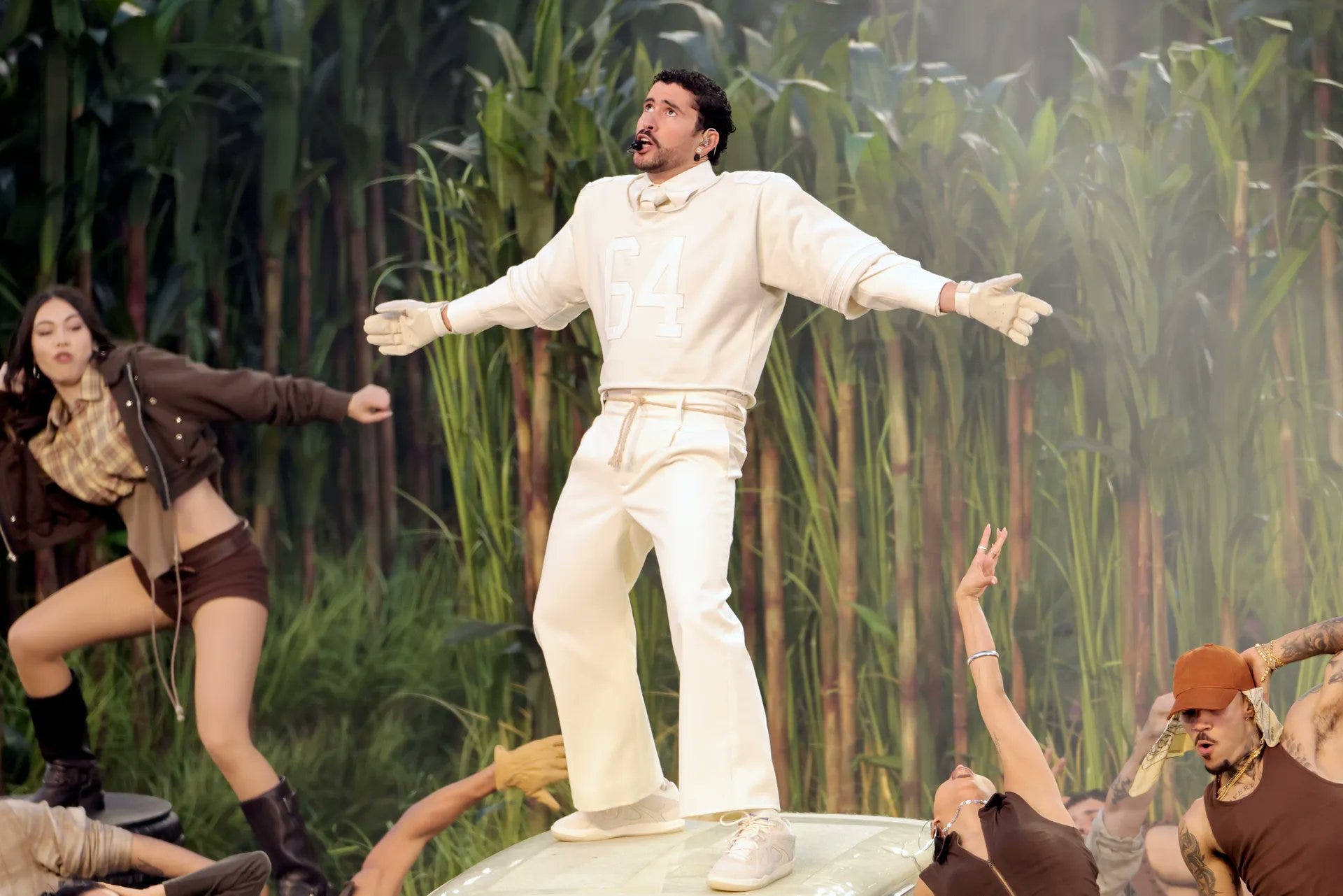
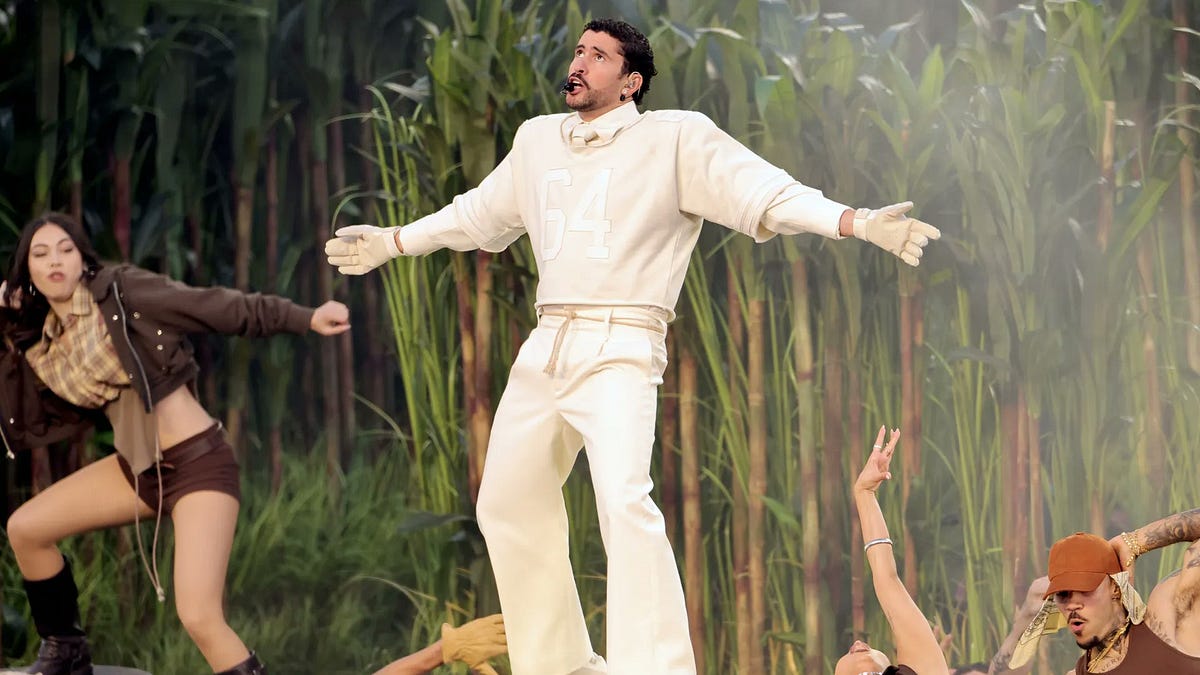
Millions tuned in to Levi’s Stadium on February 8, 2026, for what was billed as a celebration of Latin culture. Bad Bunny, the Puerto Rican reggaeton superstar, delivered an energetic set of hits like “Tití Me Preguntó” and “Yo Perreo Sola,” featuring surprise guests and Puerto Rican pride.
Performing entirely (or primarily) in Spanish during the Super Bowl LX halftime show, broadcast to millions of viewers, sends a powerful message: This cultural moment isn’t fully for everyone. English, the common language that has helped unify diverse American experiences—including Black contributions to music, sports, and civil rights—took a backseat.
For Black Americans who’ve spent generations fighting for visibility and respect in mainstream English-speaking spaces, Bad Bunny’s refusal to incorporate meaningful English feels like a snub. It’s insulting to watch a global platform sidelined for one linguistic group while claiming broad representation.
Worse still is seeing segments of the Black community applaud this as “solidarity” or a win for people of color. That’s about as loco as it gets. Let’s not sugarcoat it: The history of anti-Black racism within Hispanic and Latino communities runs deep.
From the Spanish colonizers who stratified societies by skin color in Latin America, placing lighter-skinned folks at the top and Black and Indigenous people at the bottom, to modern-day colorism that favors “whiter” Latinos over their darker kin, this isn’t ancient history—it’s alive and well.
Scholars like Tanya Katerí Hernández have documented how this “racial innocence” allows Latinos to deny their own anti-Black biases, even as they perpetuate discrimination in families, workplaces, and politics.
Remember the 2022 L.A. City Council scandal, where Latino leaders were caught on tape spewing anti-Black and anti-Indigenous slurs while scheming to consolidate power? That’s not an outlier; it’s a symptom of a broader pattern where Latinos have historically adopted anti-Black attitudes to climb the American racial hierarchy, often at the expense of Black communities.
Black Americans are foundational to this country—descendants of those who built it through enslaved labor, fought in its wars, and powered its civil rights movements. We’re not immigrants vying for a piece of the pie; we’re the ones who helped bake it. Yet, in cities like Los Angeles and beyond, we’ve seen Latinos leverage their growing numbers to edge out Black representation in politics, jobs, and education.
Housing opportunities and even union jobs have become battlegrounds in many cities where anti-Black sentiment in some Latino communities tips the scales unfairly against Black Americans.
For instance, in workplaces with growing Latino majorities, reports of discrimination—including colorism and exclusion—have surfaced in high-profile cases and scholarly analyses, fueling tensions over low-wage roles and union access. Studies further show that when Latinos feel their American identity is threatened or “downgraded” (such as through perceived marginalization or direct comparison to Black Americans), they’re more likely to express racial resentment toward Blacks and oppose policies addressing systemic inequities—like affirmative action or federal aid benefiting Black communities.
Research from the American National Election Studies and experimental work demonstrates that stronger identification as “American” among Latinos correlates with higher anti-Black prejudice, which in turn weakens support for Black-centered policies. In one set of studies, inducing a sense of threatened or lowered American status dramatically increased racial resentment among Latinos (particularly liberals in some cases) and slashed backing for pro-Black initiatives.
These dynamics highlight real intergroup frictions—not zero-sum inevitability, but patterns rooted in historical hierarchies, colorism, and competition for scarce resources in urban settings. Black Americans, as foundational citizens who’ve built this nation through centuries of struggle, deserve priority in addressing these inequities rather than being sidelined in the name of broader “POC” solidarity.
Bad Bunny’s Superbowl 2026 halftime performance without English, underscores this divide—it’s a cultural flex that ignores the shared struggles but amplifies the competition. Black Americans should feel insulted, not inspired.

