

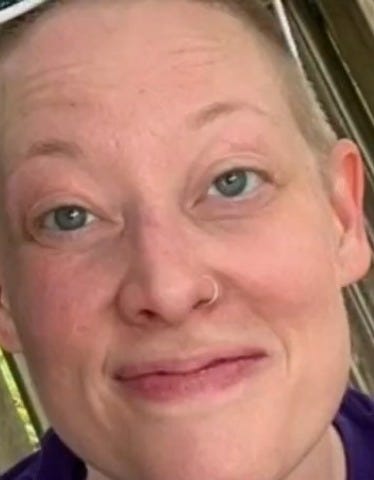
Renee Good Blocked the Raid, Got the Bullets, & Earned the Headlines, The ICE Killing That Sparked 1,000+ Protests. Blacks not Marching?
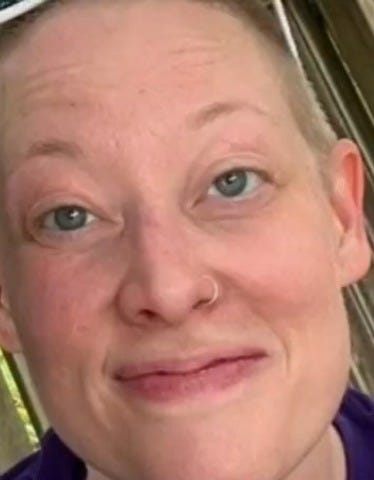
In the wake of the shooting of Renee Nicole Goo in Minneapolis on January 7, 2026, protests have erupted. The incident has reignited national debates over immigration enforcement, with Black Lives Matter (BLM) Minnesota issuing calls for protests and demanding ICE’s expulsion from the state.
Renee Good was fresh off dropping her six-year-old at school, cruising through a snowy Minneapolis street in her Honda Pilot, when she just happened to stop diagonally, blocking federal agents mid-raid, blowing whistles like it was a community block party, and turning her vehicle into an impromptu protest prop for several long minutes. Calmly telling the officer “I’m not mad at you” seconds before the bullets fly, as if fate scripted the perfect viral tragedy to fuel the outrage machine.
BLM Minnesota’s response to Good’s death is rooted in a long history of advocating against systemic violence, particularly when it affects Black lives. The organization’s founder publicly condemned ICE agents as “demons” and called for widespread action, framing the shooting as part of a broader pattern of overreach. Yet, amid the outcry, there doesn’t appear to be broader enthusiasm within Black communities nationwide for anti-ICE mobilizations.
Protests in Minneapolis have drawn crowds, with demonstrators blocking streets, chanting for justice, and even confronting hotels believed to house ICE agents. Similar vigils have popped up across the country as the protest industrial complex has been activated.
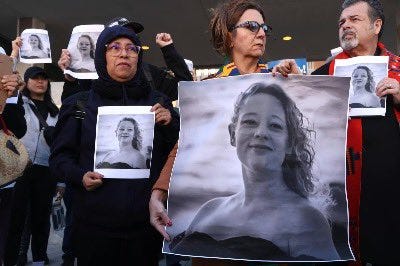
Scan the crowds at these anti-ICE protests sparked by Renee Good’s death, and one thing jumps out immediately: the sea of faces is overwhelmingly white. Nationwide the response from the Black community writ large has been muted compared to past movements like those following George Floyd’s murder in 2020. Why the relative quiet?
One key factor is the nuanced impact of immigration—particularly undocumented immigration—on Black Americans. While solidarity with immigrants is a core tenet of many racial justice groups, including BLM’s policy platform which calls for ending the “war on Black migrants” and supporting pathways to legalization, economic realities tell a more complicated story.
Studies and expert testimonies have long highlighted how unauthorized immigration can disproportionately affect Black workers, who often compete in the same low-wage sectors like construction, service, and agriculture. A 2010 report from the U.S. Commission on Civil Rights found evidence that illegal immigration contributes to wage depression and reduced job opportunities for Black Americans, with some economists estimating significant economic losses. Vanderbilt University’s Carol Swain, a political scientist, has argued that this dynamic exacerbates unemployment and underemployment in Black communities, stifling progress.
More recent analyses, including a 2024 Center for Immigration Studies report, echo this, suggesting that mass immigration has been used to displace U.S.-born workers, with Black Americans bearing a heavy burden. Even as overall job growth occurs, critics point out that the “growing jobs pie” doesn’t always translate to equitable gains for U.S.-born Black workers.
In the end, the muted national response from Black communities to Renee Good’s death isn’t indifference or callousness—it’s a quiet, pragmatic prioritization. While there’s genuine sympathy for a mother’s tragic loss, many Black Americans see little direct connection between this incident and the systemic threats they face daily: economic displacement from unchecked immigration, persistent job competition in low-wage sectors, and the ongoing toll of violent crime in their neighborhoods.


